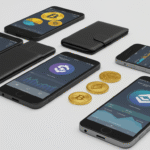
The digital payment landscape is experiencing a seismic shift as mobile wallet adoption reaches unprecedented heights, fundamentally transforming how consumers interact with money. Recent data reveals that mobile wallet transaction values are projected to exceed $16 trillion globally by 2028, representing a staggering 285% increase from current levels. This explosive growth is driven by a convergence of factors including widespread smartphone penetration, enhanced security features, and the accelerating shift toward contactless payments that gained momentum during the pandemic.
The mobile-first strategy has become the cornerstone of modern payment ecosystems, with smartphone-based solutions demonstrating clear advantages over traditional desktop alternatives. From instant QR code payments to seamless biometric authentication, mobile wallets are redefining user convenience while simultaneously addressing longstanding security concerns that have historically favored desktop solutions.
Mobile Wallet Adoption: Global Trends & Data
The global mobile wallet market is experiencing unprecedented expansion, with regional adoption patterns revealing distinct preferences and growth trajectories. Transaction value growth has become the primary indicator of market maturity, as developing economies leapfrog traditional banking infrastructure through mobile-first payment solutions. Asia-Pacific regions continue to dominate adoption rates, while Western markets show strong transaction value concentration despite lower user penetration rates.
Regional leaders are emerging based on unique combinations of smartphone penetration, regulatory frameworks, and cultural acceptance of digital payment solutions. The data reveals significant variations in adoption rates, with some regions achieving over 80% smartphone wallet usage among eligible populations. Understanding these regional dynamics is crucial for predicting future payment ecosystem development and identifying emerging opportunities for mobile wallet expansion.
Market analysts project that by 2029, mobile wallet adoption will become the primary payment method in over 15 major economies worldwide. The shift represents not just technological advancement but a fundamental change in consumer behavior patterns, with younger demographics driving adoption while older generations increasingly embrace mobile-first convenience. These trends indicate that desktop payment solutions may become increasingly marginalized in everyday transactions.
The correlation between e-commerce growth and mobile wallet adoption has created a self-reinforcing cycle of digital transformation. As more merchants integrate mobile payment options, consumer comfort with smartphone-based transactions increases exponentially, creating network effects that benefit the entire ecosystem. This symbiotic relationship between mobile commerce and digital wallets suggests sustained growth well beyond current projections.
| Region | 2025 Users (millions) | 2029 Value ($T) | Adoption Rate |
|---|---|---|---|
| Asia-Pacific | 2,847 | $8.2 | 79% |
| North America | 294 | $3.1 | 68% |
| Europe | 387 | $2.4 | 61% |
| Latin America | 198 | $1.6 | 73% |
| Middle East & Africa | 312 | $0.9 | 84% |
Key Drivers Shaping Mobile Wallet Expansion
Several interconnected factors are accelerating mobile wallet adoption across diverse global markets, creating a perfect storm of technological advancement and consumer demand. The pandemic served as a catalyst, pushing previously hesitant demographics toward contactless payment solutions and fundamentally altering payment preferences. Digital literacy improvements, particularly among older demographics, have expanded the addressable market significantly beyond traditional early adopters.
Smartphone penetration rates exceeding 80% in most developed markets have created the essential infrastructure for widespread mobile wallet deployment. E-commerce integration has become seamlessly embedded within mobile applications, reducing friction between browsing and purchasing decisions. Government initiatives promoting digital payments, particularly in emerging economies, have provided regulatory support and consumer confidence that traditional financial institutions struggled to establish independently.
The convergence of these factors has created network effects where increased adoption drives merchant acceptance, which in turn encourages more consumer adoption. This self-reinforcing cycle suggests that mobile wallet expansion will continue accelerating beyond current forecasting models, potentially reaching saturation levels more quickly than originally anticipated.
- Smartphone penetration exceeding 85% in major markets, providing universal access to mobile payment infrastructure
- Pandemic-accelerated shift toward contactless payments, permanently altering consumer behavior patterns
- Enhanced digital literacy across generational cohorts, reducing technological barriers to adoption
- E-commerce integration creating seamless shopping experiences within mobile applications
- Government regulatory support and digital payment initiatives in emerging economies
- Improved security features including biometric authentication and multi-layered encryption protocols
Market Leaders and Wallet Brands
The competitive landscape for mobile wallets reflects regional preferences and technological capabilities, with established tech giants competing against specialized fintech innovators. Market share distribution varies significantly by geographic region, with some brands achieving dominance through early market entry while others succeed through superior user experience or unique feature sets. Understanding these competitive dynamics reveals important insights about consumer priorities and emerging technological trends.
Each leading brand has developed distinct competitive advantages, whether through seamless integration with existing ecosystems, innovative features like peer-to-peer transfers, or superior security implementations. Geographic focus strategies have proven particularly effective, with region-specific solutions often outperforming global brands by addressing local market needs more precisely.
| Brand | Market Share | Unique Feature | Geographic Focus |
|---|---|---|---|
| Alipay | 31% | Super-app ecosystem integration | China, Southeast Asia |
| Apple Pay | 18% | Hardware-level security integration | Global (iOS ecosystem) |
| Google Pay | 15% | Cross-platform compatibility | Global (Android dominant) |
| PhonePe | 12% | UPI integration & bill payments | India |
| M-Pesa | 8% | SMS-based transactions | East Africa |
Mobile vs Desktop Wallets: Functional Differences
The fundamental architectural differences between mobile and desktop wallet solutions create distinct user experiences that favor smartphone-based implementations across most practical applications. Mobile wallets leverage device-specific hardware capabilities, including biometric sensors, cameras for QR code scanning, and near-field communication (NFC) chips that enable contactless payments. These hardware advantages translate into more intuitive user interfaces and security implementations that desktop solutions struggle to match.
Accessibility represents perhaps the most significant differentiator, as mobile wallets provide instant access to payment capabilities regardless of location or time constraints. Desktop wallets, while offering larger screen real estate and potentially more robust computational resources, require users to be physically present at specific locations to conduct transactions. This limitation has become increasingly problematic as consumer expectations shift toward on-demand payment capabilities.
Security implementations differ substantially between platforms, with mobile wallets leveraging multi-layered authentication methods including fingerprint scanning, facial recognition, and device-specific encryption keys. Desktop solutions typically rely on password-based authentication supplemented by two-factor authentication methods, which can be more vulnerable to certain attack vectors. The integration of biometric authentication with mobile hardware provides security advantages that desktop solutions cannot easily replicate.
dApp integration capabilities vary significantly between mobile and desktop implementations, affecting functionality for crypto wallets and decentralized finance applications. While desktop wallets often provide more comprehensive features for complex transactions, mobile wallets excel in everyday use cases and consumer-facing applications. Hardware requirements also differ substantially, with mobile solutions demanding less computational resources while desktop wallets may require more robust processing power for certain operations.
The user impact of these functional differences extends beyond mere convenience to encompass fundamental changes in payment behavior patterns. Mobile wallets enable spontaneous transactions and location-based payments that would be impossible with desktop-only solutions. This behavioral shift has profound implications for merchant strategies and consumer engagement models across various industries, particularly in gaming and gambling applications where instant access to funds can significantly impact user retention and lifetime value.
| Feature | Mobile Wallets | Desktop Wallets | User Impact |
|---|---|---|---|
| Accessibility | 24/7 portable access | Location-dependent usage | Higher transaction frequency |
| Biometric Security | Fingerprint, Face ID integrated | Limited biometric options | Faster, more secure authentication |
| QR Code Scanning | Native camera integration | External webcam required | Seamless contactless payments |
| NFC Payments | Built-in NFC chip | Not available | Instant tap-to-pay functionality |
| dApp Integration | Simplified interfaces | Full-featured browsers | Platform-specific user experience |
| Hardware Requirements | Minimal processing power | Higher computational demands | Broader device compatibility |
| Transaction Speed | Instant authentication | Multi-step verification | Reduced payment friction |
| Bill Presentment | Push notifications | Email-based alerts | Proactive payment reminders |
Pros and Cons for Everyday Use
The practical advantages of mobile wallets in daily transactions extend far beyond simple convenience, encompassing fundamental improvements in payment speed, security, and accessibility. Users report significantly reduced transaction times, with biometric authentication enabling payments in under three seconds compared to traditional card-based transactions. The always-available nature of smartphone access eliminates the common problem of forgotten wallets, while integrated receipt management provides automatic expense tracking capabilities.
However, mobile wallet adoption also introduces new challenges that users must navigate carefully. Device dependence creates vulnerability when smartphones are lost, damaged, or depleted of battery power, potentially leaving users without payment capabilities. Privacy concerns arise from the extensive data collection capabilities of mobile applications, while technical complexity can overwhelm less tech-savvy users. Merchant acceptance limitations persist in certain sectors and geographic regions, creating situations where mobile wallets cannot replace traditional payment methods entirely.
The security advantages of mobile wallets include multi-layered authentication and tokenization, but they also introduce new attack vectors related to mobile device vulnerabilities and app-based exploits. Users must balance the convenience of stored payment credentials against the risks of unauthorized access if device security is compromised. Understanding these trade-offs is essential for making informed decisions about mobile wallet adoption.
Battery dependence represents a unique limitation of mobile payment solutions, as depleted smartphone batteries can leave users without access to their funds at critical moments. Additionally, the digital divide affects older demographics disproportionately, as complex mobile interfaces may be less accessible than traditional payment methods. These considerations highlight the importance of maintaining backup payment options even as mobile-first strategies become dominant.
- Instant biometric authentication reduces payment completion time to under 3 seconds on average
- Always-accessible payment capabilities eliminate the risk of forgotten physical wallets
- Automatic receipt management and expense tracking integrated into mobile applications
- Device dependence creates vulnerability when smartphones are lost, damaged, or battery-depleted
- Privacy concerns from extensive data collection and location tracking capabilities
- Merchant acceptance limitations in certain sectors and geographic regions remain problematic
User Experience & Security Features
Mobile wallet user experience has evolved dramatically beyond simple payment processing to encompass comprehensive financial management capabilities that rival traditional banking applications. Advanced bill presentment features automatically notify users of upcoming payments, while intelligent spending categorization provides real-time budget tracking without manual input. The integration of loyalty programs and personalized offers creates value-added experiences that extend beyond basic transaction functionality.
Biometric authentication represents a paradigm shift in payment security, leveraging unique physiological characteristics to provide both convenience and protection. Fingerprint scanning, facial recognition, and voice authentication create multiple layers of security that are significantly more difficult to compromise than traditional password-based systems. These authentication methods also reduce user friction, as biometric verification typically completes within milliseconds compared to manual password entry.
Multi-factor protection systems in mobile wallets now incorporate device-specific encryption keys, location-based authentication, and behavioral analysis to detect potentially fraudulent activities. Machine learning algorithms analyze spending patterns to identify anomalous transactions, automatically triggering additional verification steps when suspicious activity is detected. These sophisticated security implementations often surpass the protection levels available in desktop wallet solutions.
The encryption standards employed by leading mobile wallet providers utilize bank-grade security protocols, including end-to-end encryption for all transaction data and tokenization to protect sensitive financial information. Hardware security modules within modern smartphones provide dedicated encryption processing that isolates payment credentials from other device applications. This hardware-level protection creates security boundaries that are extremely difficult for malicious software to breach.
- Biometric authentication including fingerprint, facial recognition, and voice verification for seamless security
- Intelligent bill presentment with automated payment scheduling and spending categorization
- Multi-layered protection combining device encryption, tokenization, and behavioral analysis
- Real-time fraud detection using machine learning algorithms to identify suspicious transaction patterns
- Hardware security module integration providing isolated encryption processing for payment credentials
- Location-based authentication adding geographic verification to transaction approval processes
- Bank-grade encryption standards with end-to-end protection for all financial data transmission
Security Risks: Myths vs Facts
Common misconceptions about mobile wallet security often stem from outdated information or misunderstanding of current security implementations. The myth that mobile wallets are inherently less secure than traditional payment methods contradicts extensive research showing that tokenization and biometric authentication provide superior protection compared to magnetic stripe cards or chip-based systems. Studies indicate that mobile wallet fraud rates are typically 60-70% lower than traditional card fraud rates due to advanced security features.
Research from leading cybersecurity firms demonstrates that mobile wallets employ multiple security layers that make them significantly more difficult to compromise than physical payment methods. The tokenization process ensures that actual account numbers are never stored on devices or transmitted during transactions, while biometric authentication provides non-transferable security credentials. Even if a smartphone is stolen, biometric locks prevent unauthorized access to payment applications.
The fear that mobile wallets are vulnerable to hacking overlooks the sophisticated security architectures implemented by major providers. Hardware-level encryption, secure element integration, and regular security updates create defensive systems that are continuously evolving to address emerging threats. Statistics show that successful mobile wallet compromises are extremely rare and typically result from user error rather than system vulnerabilities.
Generational Adoption Patterns
Generational differences in mobile wallet adoption reveal fascinating insights about technological comfort levels and payment preferences across age demographics. Generation Z and Millennials demonstrate the highest adoption rates, driven by smartphone native behavior and comfort with digital-first solutions. However, Generation X adoption is accelerating rapidly, particularly for specific use cases like contactless payments and online shopping integration.
The motivating factors for mobile wallet adoption vary significantly across generational lines, with younger users prioritizing convenience and speed while older demographics focus on security features and fraud protection. Baby Boomers show increasing acceptance of mobile payments, particularly when biometric authentication provides enhanced security compared to traditional methods they perceive as less secure.
| Generation | Mobile Wallet Usage (%) | Desktop Preference (%) | Key Motivation |
|---|---|---|---|
| Gen Z (18-26) | 87% | 13% | Speed and social integration |
| Millennials (27-42) | 79% | 21% | Convenience and rewards |
| Gen X (43-58) | 64% | 36% | Security and efficiency |
| Baby Boomers (59-77) | 41% | 59% | Fraud protection and simplicity |
Challenges Facing Mobile-First Payment Ecosystems
Despite rapid adoption, mobile-first payment ecosystems face significant structural challenges that could impact long-term sustainability and user satisfaction. Wallet interoperability remains a persistent problem, as different mobile wallet providers often operate in isolation, creating fragmented user experiences when merchants support only specific platforms. This fragmentation forces consumers to maintain multiple wallet applications or limits their payment options in certain situations.
Device recovery and account access present unique challenges for mobile wallet users, particularly when smartphones are lost, stolen, or damaged. Unlike physical wallets where replacement cards can be issued quickly, mobile wallet recovery often requires complex authentication processes that may leave users without payment capabilities for extended periods. The dependence on specific device hardware for biometric authentication can complicate account recovery processes significantly.
Merchant acceptance disparities continue to limit mobile wallet utility, particularly among smaller retailers who may lack the infrastructure to support contactless payments or specific wallet platforms. Geographic variations in acceptance rates create inconsistent user experiences, while older point-of-sale systems may not support newer authentication methods. These acceptance gaps undermine the promise of universal mobile wallet utility.
Regulatory compliance presents ongoing challenges as mobile wallet providers must navigate complex financial services regulations across multiple jurisdictions. Anti-money laundering requirements, Know Your Customer protocols, and data privacy regulations vary significantly between regions, creating compliance burdens that can slow innovation and increase operational costs. The rapidly evolving regulatory landscape requires continuous adaptation from mobile wallet providers.
- Wallet interoperability limitations creating fragmented user experiences across different platforms and merchants
- Complex device recovery processes when smartphones are lost, stolen, or damaged, potentially leaving users stranded
- Inconsistent merchant acceptance, particularly among smaller retailers and in certain geographic regions
- Regulatory compliance challenges across multiple jurisdictions with varying financial services requirements
- Battery dependence creating payment vulnerability when mobile devices lose power at critical moments
- Digital divide effects disproportionately impacting older demographics and technologically disadvantaged populations
Solutions & Innovation Directions
Industry initiatives are addressing mobile wallet challenges through collaborative standardization efforts and innovative technological solutions. The development of universal payment protocols aims to create seamless interoperability between different wallet platforms, enabling merchants to accept payments regardless of which specific mobile wallet application customers prefer. These standardization efforts focus on creating common authentication methods and transaction processing standards that work across multiple platforms.
User education programs are becoming increasingly sophisticated, with wallet providers investing in comprehensive onboarding experiences that address security concerns while teaching best practices for mobile payment usage. Interactive tutorials, security awareness campaigns, and customer support improvements are helping bridge the digital divide and encourage adoption among previously hesitant demographics. Financial literacy components integrated into mobile wallet applications help users understand the benefits and risks of digital payment methods.
Fintech collaborations are driving innovation in areas like device recovery, account security, and fraud prevention. Cloud-based backup systems for wallet credentials, alternative authentication methods when primary devices are unavailable, and enhanced fraud detection algorithms represent significant technological advances. These collaborative efforts between traditional financial institutions and technology companies are accelerating solution development while maintaining regulatory compliance standards.
How the Mobile-First Future Changes Gambling & Gaming
The integration of mobile wallets into gambling and gaming platforms is revolutionizing player experiences through instant deposit capabilities and real-time payout processing that eliminates traditional banking delays. Mobile wallet integration enables seamless in-game purchases, tournament entry fees, and reward distributions that happen within seconds rather than days. This immediate access to funds significantly impacts player engagement and retention rates, as friction-free payments remove barriers to continued gameplay.
Real-time transaction processing capabilities of mobile wallets allow gambling operators to offer instant withdrawals, a feature that has become increasingly important for player satisfaction and competitive differentiation. The elimination of waiting periods for fund access improves the overall gaming experience while reducing customer service inquiries related to payment delays. Mobile wallets also enable micro-transactions and small-stakes gambling that might be economically unfeasible with traditional payment methods due to processing fees.
Integrated Know Your Customer (KYC) processes within mobile wallet ecosystems streamline player onboarding while maintaining regulatory compliance requirements. Biometric authentication and verified identity credentials stored within mobile wallets can expedite account creation and age verification processes that traditionally required extensive documentation. This streamlined approach reduces abandonment rates during registration while ensuring compliance with gambling regulations.
The impact on Return to Player (RTP) calculations and game economics becomes significant when transaction costs are virtually eliminated through mobile wallet integration. Lower payment processing fees enable operators to offer higher RTPs or introduce new game formats that rely on frequent small transactions. Mobile wallets also provide detailed transaction histories that support responsible gambling initiatives and regulatory reporting requirements.
| Payment Use Case | Mobile Wallet Advantage | Impact on RTP/KYC |
|---|---|---|
| Instant Deposits | Sub-second fund availability | Eliminates deposit delays impacting RTP timing |
| Real-time Payouts | Immediate withdrawal processing | Improves player satisfaction and retention |
| Micro-transactions | Cost-effective small payments | Enables higher RTP through lower processing fees |
| Identity Verification | Pre-verified wallet credentials | Streamlines KYC onboarding processes |
| Loyalty Rewards | Automated reward distribution | Enhances player engagement and lifetime value |
Player Preferences & Mobile Wallet Trends
Gaming and gambling players increasingly prioritize privacy-focused mobile wallet solutions that minimize data sharing while providing seamless payment experiences. Anonymous or pseudonymous transaction capabilities appeal to players who value discretion in their gaming activities, while still maintaining compliance with regulatory requirements. Multi-wallet support has become essential, as players often maintain separate wallets for different types of gaming activities or to take advantage of platform-specific benefits and rewards.
Instant payment capabilities rank as the most important mobile wallet feature among active gambling participants, with players showing strong preferences for platforms that eliminate deposit and withdrawal delays. The ability to quickly move funds between different gaming platforms or cash out winnings immediately significantly influences platform selection decisions. Integration with cryptocurrency wallets has become increasingly important as players seek alternatives to traditional banking methods.
Social integration features within mobile wallets, such as peer-to-peer transfers for tournament buy-ins or shared betting pools, are gaining popularity among younger gambling demographics. These social features create community engagement opportunities while maintaining individual financial control. Players also value detailed spending tracking and budgeting tools that help them monitor their gambling expenditures without manual record-keeping.
Security preferences vary significantly among gambling players, with many prioritizing biometric authentication and hardware-level encryption over convenience features. The ability to quickly freeze or limit wallet access during periods of intended gambling abstinence has become an important responsible gambling tool. Players increasingly expect mobile wallets to provide granular control over spending limits and transaction approvals.
- Privacy-focused solutions with anonymous transaction capabilities while maintaining regulatory compliance
- Instant payment processing eliminating deposit and withdrawal delays for immediate fund access
- Multi-wallet support enabling platform-specific benefits and segregated gaming budgets
- Cryptocurrency integration providing alternatives to traditional banking payment methods
- Social features including peer-to-peer transfers and shared betting pool functionality
- Advanced security controls with biometric authentication and granular spending limit management
Mobile Wallets Boost Responsible Gambling
Mobile wallet applications provide sophisticated fund tracking and spending analysis tools that support responsible gambling initiatives by offering real-time visibility into gambling expenditures across multiple platforms. Automated categorization of gambling-related transactions enables players to monitor their spending patterns without manual tracking, while push notifications can alert users when they approach predetermined spending limits. These built-in financial management tools help players make more informed decisions about their gambling activities.
Integration with responsible gambling organizations and self-exclusion databases through mobile wallet platforms creates comprehensive protection systems that extend beyond individual operator controls. Players can implement spending freezes or transaction blocks that apply across multiple gambling platforms simultaneously, providing more effective harm prevention than platform-specific controls. The detailed transaction histories maintained by mobile wallets also support professional counseling and treatment programs by providing objective spending data.
The Road Ahead: Future Proofing Payments
The convergence of artificial intelligence, advanced biometrics, and super-app ecosystems is positioning mobile wallets as the central hub for future digital finance interactions. AI-powered spending analysis will provide predictive financial guidance, while behavioral pattern recognition will enhance security through continuous authentication monitoring. Machine learning algorithms will optimize payment routing, reduce transaction costs, and provide personalized financial insights that extend far beyond simple payment processing capabilities.
Biometric authentication technology continues evolving toward multi-modal verification systems that combine facial recognition, voice patterns, and behavioral biometrics for seamless yet highly secure user authentication. Future implementations may incorporate heart rate patterns, gait analysis, and other physiological markers to create virtually impossible-to-replicate user credentials. These advances will make mobile wallets significantly more secure than any existing payment method while maintaining or improving user convenience.
Super-app ecosystems are emerging as comprehensive digital service platforms where mobile wallets serve as the financial backbone for transportation, shopping, entertainment, and social interactions. This integration creates network effects where mobile wallet adoption becomes essential for accessing broader digital services, potentially making desktop payment solutions obsolete for most consumer applications. The wallet becomes the gateway to a fully integrated digital lifestyle rather than just a payment tool.
Practical Tips: Switching to Mobile-First
Successfully transitioning to mobile-first payment strategies requires careful planning and gradual implementation to ensure security and functionality throughout the migration process. Users should begin by selecting established mobile wallet providers with strong security track records and broad merchant acceptance, while maintaining backup payment methods during the initial transition period. Proper security configuration, including biometric authentication setup and device lock protocols, forms the foundation for safe mobile wallet usage.
The migration process should include comprehensive backup and recovery planning to address potential device loss or technical issues that could interrupt payment capabilities. Users need to understand account recovery procedures, backup authentication methods, and emergency access protocols before fully committing to mobile-first payment strategies. Testing mobile wallet functionality across frequently used merchants and service providers helps identify any acceptance gaps before eliminating traditional payment methods.
Educational preparation is essential for maximizing mobile wallet benefits while avoiding common security pitfalls and usage mistakes. Users should familiarize themselves with transaction limits, fee structures, and dispute resolution procedures specific to their chosen mobile wallet platforms. Understanding privacy settings and data sharing controls ensures that mobile wallet adoption aligns with individual privacy preferences and security requirements.
Long-term success with mobile-first payment strategies requires ongoing security maintenance and platform optimization as technology evolves and new features become available. Regular security updates, periodic authentication method reviews, and staying informed about emerging threats help maintain the security advantages that make mobile wallets superior to traditional payment methods. Users should also monitor spending patterns and take advantage of budgeting tools to maximize the financial management benefits of mobile wallet adoption.
- Research and select established mobile wallet providers with strong security records and broad merchant acceptance
- Configure comprehensive security settings including biometric authentication, device locks, and transaction notifications
- Establish backup payment methods and understand account recovery procedures before full transition
- Test mobile wallet functionality with frequently used merchants to identify any acceptance limitations
- Learn platform-specific features including spending limits, fee structures, and dispute resolution processes
- Configure privacy settings and data sharing controls according to personal security preferences
- Implement regular security maintenance routines including software updates and authentication reviews